Safe Work Australia’s Best Practice Review: What The Latest Recommendations Mean For Australian Workplaces
Australia’s work health and safety (WHS) framework is facing an important opportunity for reform, with Safe Work Australia publishing its Best Practice Review of the model Work Health and Safety laws on 19 October 2026. The review makes 21 recommendations aimed at strengthening worker protections, improving regulatory consistency and ensuring the national WHS framework remains...

When Workers Stop Speaking Up: The Hidden Psychosocial Risk In Workplace Culture
A new workplace phrase is attracting attention across Australia: “getting disappeared”. It describes a situation where an employee raises concerns, challenges a decision or becomes perceived as difficult, and then suddenly leaves the organisation, with colleagues receiving little explanation about what happened. There may, of course, be entirely legitimate and confidential reasons why an employee...
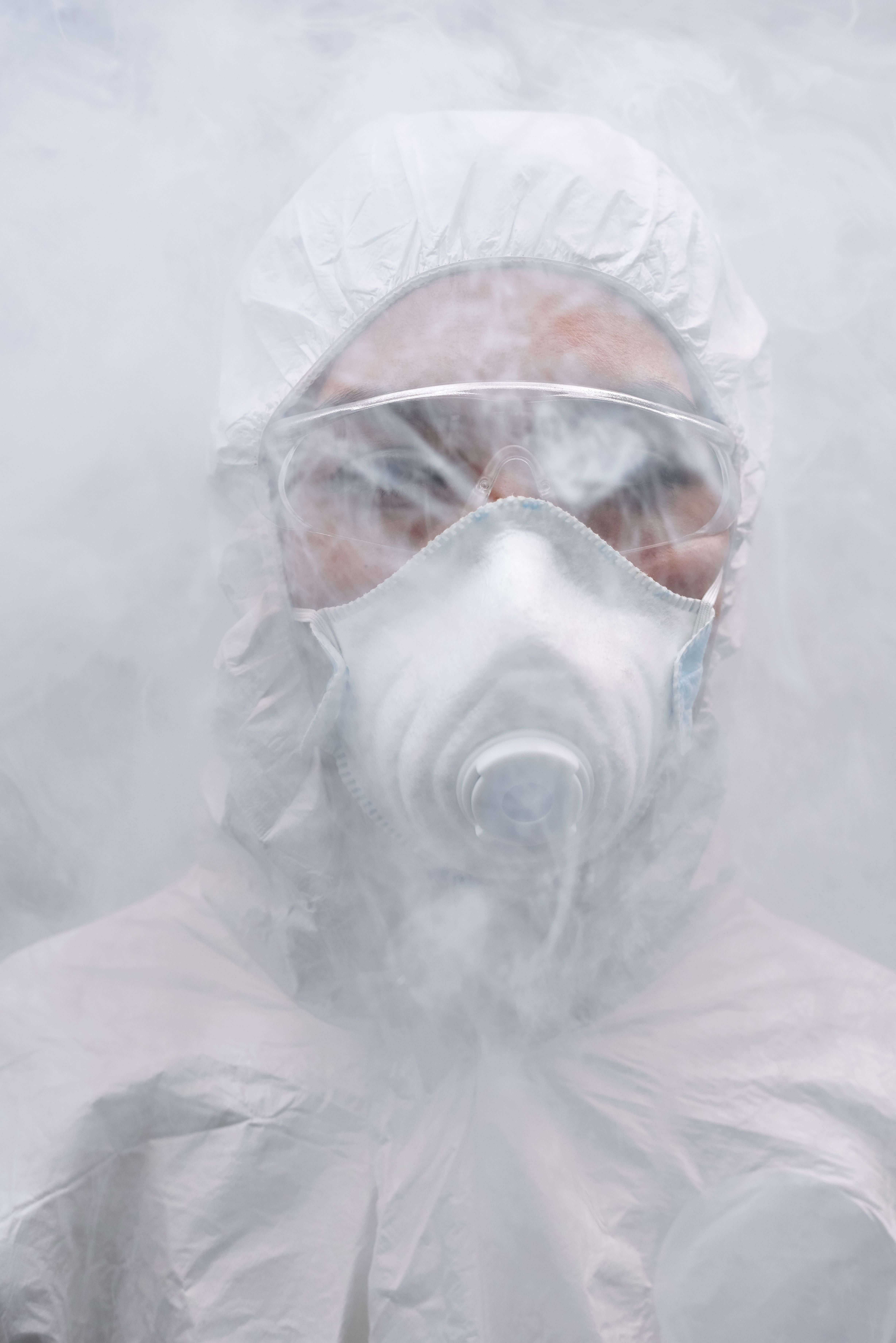
From Workplace Exposure Standards to Workplace Exposure Limits: What Australian Employers and Workers Need to Know Before December 2026
Australia is approaching an important change in the way workplace exposure to airborne contaminants is regulated. From 1 December 2026, the existing Workplace Exposure Standards (WES) for airborne contaminants will transition to Workplace Exposure Limits (WEL). The change follows a national review of workplace exposure standards and has been agreed by Australian Work Health and...

ISO 9001:2026 Is Here – What Has Changed and What Does Your Organisation Need to Do?
ISO 9001:2026, Quality management systems – Requirements, was officially published on 16 September 2026, replacing ISO 9001:2015. For organisations already operating an ISO 9001-certified Quality Management System (QMS), the good news is that this is an evolution rather than a complete redesign of the Standard. The established foundations of ISO 9001 remain. Customer focus, leadership,...

Consequential Amendments to Seven Queensland Codes of Practice
Queensland businesses should be aware of important updates to seven Work Health and Safety (WHS) Codes of Practice taking effect from 1 September 2026. The amendments affect the following Codes of Practice: Managing the risk of psychosocial hazards at work Code of Practice 2022 Managing noise and preventing hearing loss at work Code of Practice...
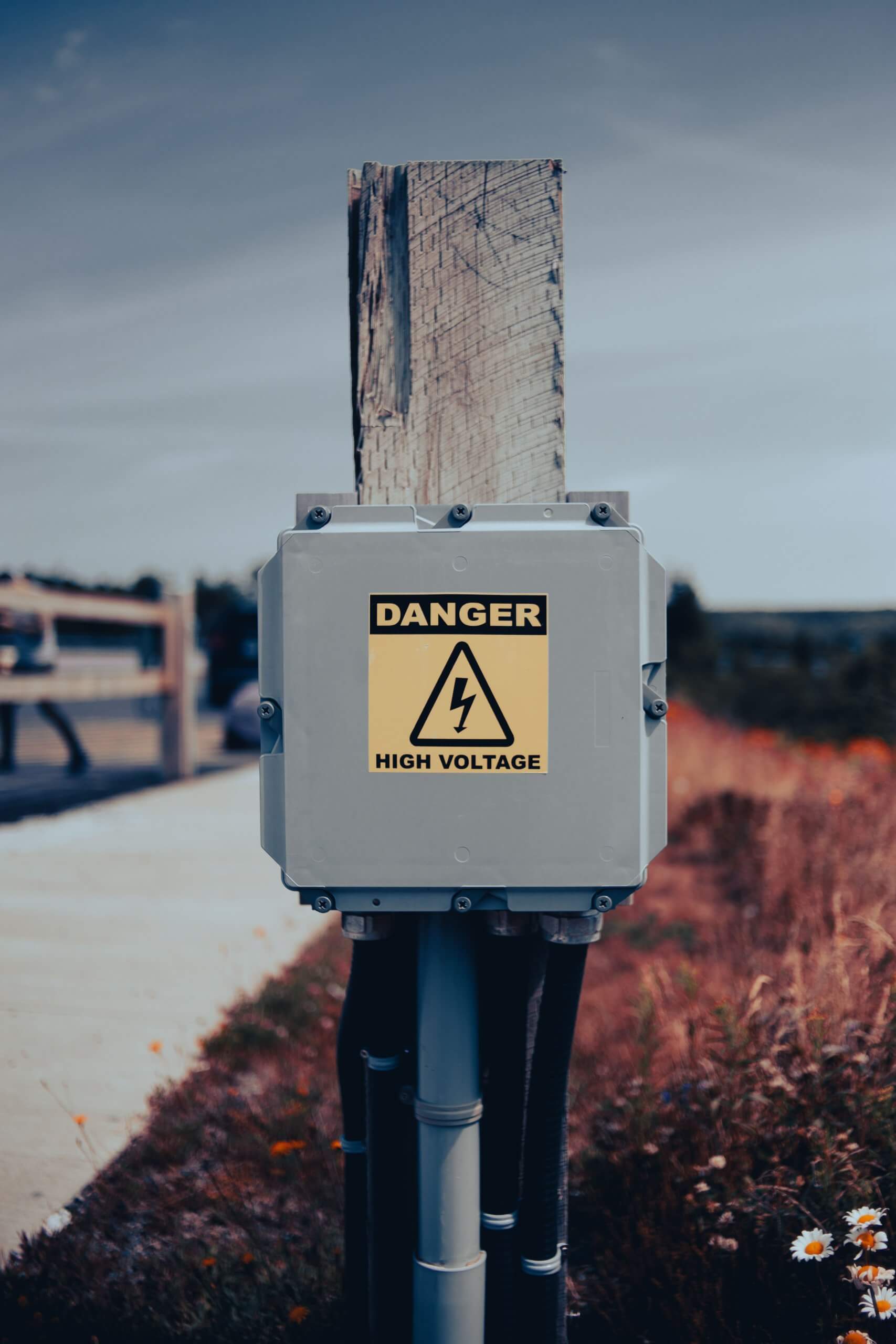
Electrical Safety Regulation 2026 QLD: What Has Changed?
Queensland’s new Electrical Safety Regulation 2026 is set to replace the Electrical Safety Regulation 2013 from 1 September 2026. For electricians, electrical contractors, businesses and other people working with electrical installations and equipment, the change is important, but it is not a major overhaul of Queensland’s electrical safety requirements. The Queensland Government has confirmed that the 2026 Regulation does...
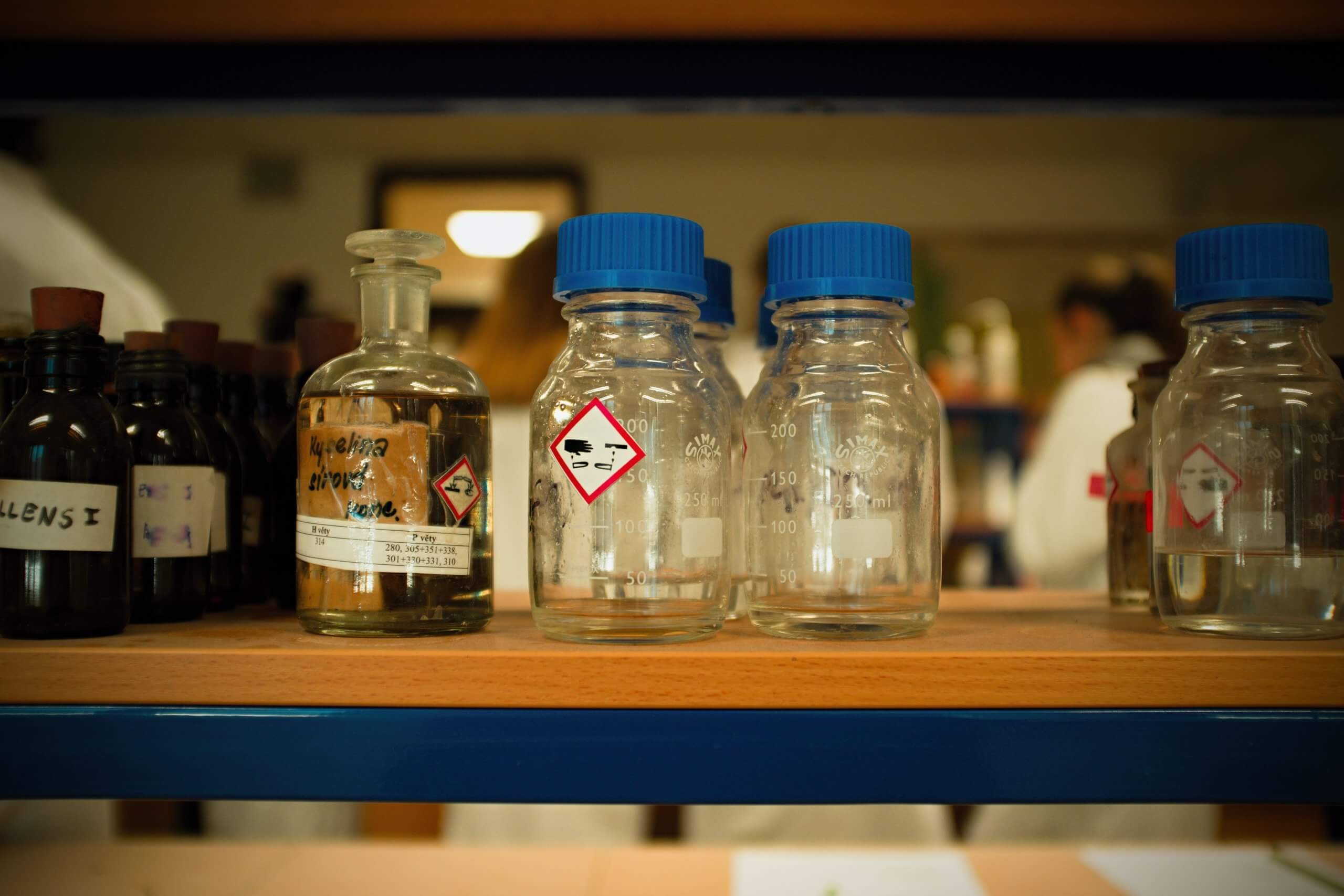
Safe Work Australia Launches New Hazardous Chemical Information System (HCIS)
Safe Work Australia has published a new Hazardous Chemical Information System (HCIS), giving Australian businesses and workers a refreshed way to access information about hazardous chemicals and prepare for the introduction of new workplace exposure limits (WELs) on 1 December 2026. The new HCIS was published on 4 August 2026 and represents a significant update...
Why Australian Businesses Need to Review Their Standards Regularly
Australian businesses operate in an environment shaped by legislation, regulations, industry codes, Australian Standards, workplace requirements and customer expectations. While not every standard is legally mandatory, standards can play an important role in helping businesses operate safely, consistently and professionally. The challenge is that standards do not remain static. They can be revised, replaced or...

HVNL Changes from 1 August 2026: What Heavy Vehicle Operators Need to Do
The biggest changes to Australia’s Heavy Vehicle National Law (HVNL) in more than a decade will take effect on 1 August 2026, bringing a stronger focus on proactive safety management, documented systems, and demonstrable compliance. For heavy vehicle operators, the reforms represent a shift away from simply complying with prescriptive rules towards proving that your...

Mid-Year Audit Planning: Aligning Strategy With WHS Trends
As the financial year gets underway, many Australian businesses are focused on budgets, growth plans, and operational priorities. However, the middle of the year is also an ideal time to assess another critical area of business performance, Work Health and Safety (WHS). A mid-year WHS audit is more than a compliance exercise. It provides an...
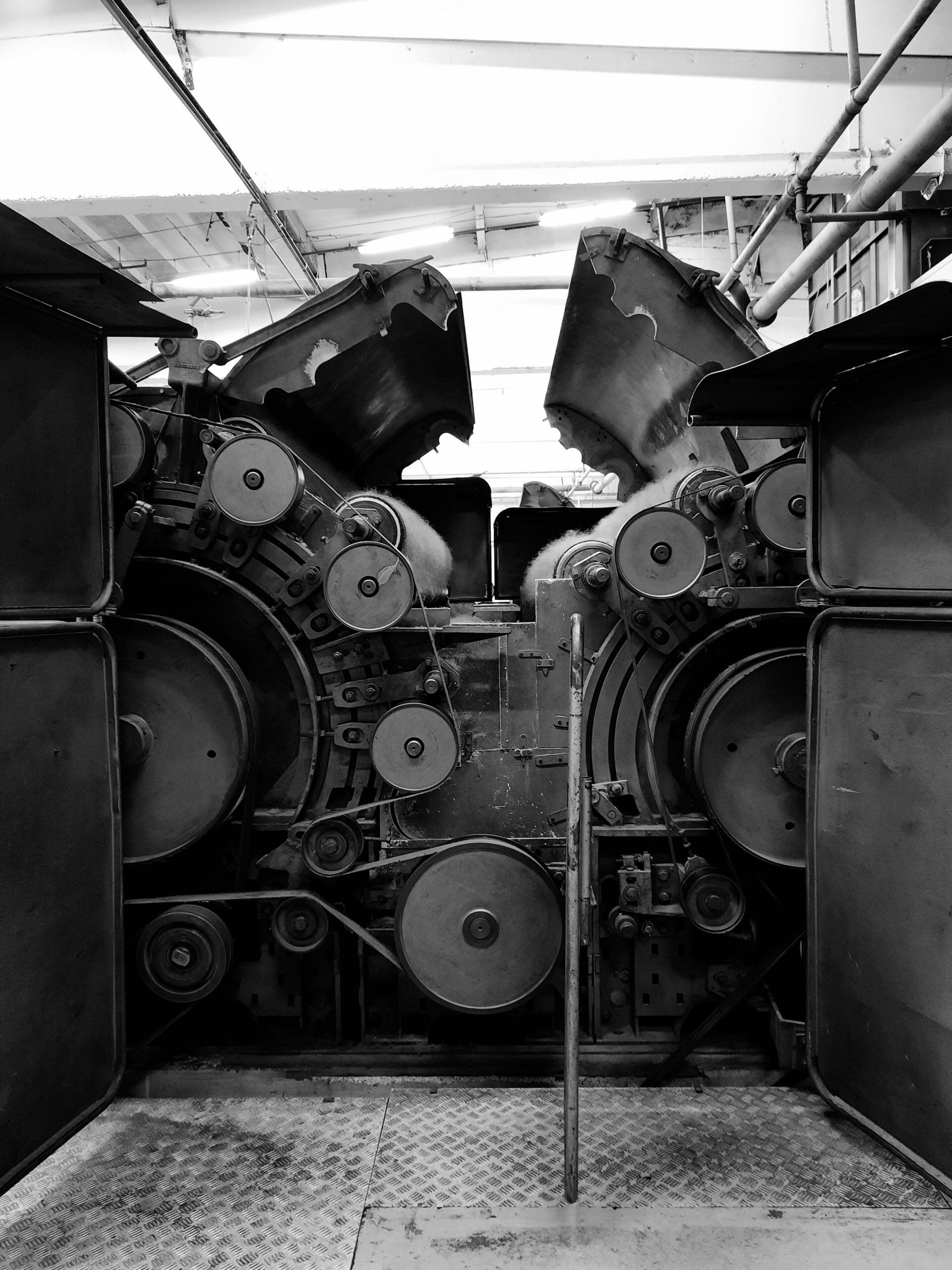
Fixed Plant Safety
Workplace safety has always been a legal and moral responsibility for Australian businesses, but Queensland’s Workplace Health and Safety Queensland (WHSQ) is placing an even stronger emphasis on proactive compliance over the coming years. Through its WHS Compliance and Field Services Proactive Compliance Program 2024–2027, WHSQ is targeting high-risk industries and hazards before incidents occur,...

How Auditors Assess Contractor Compliance
Whether you’re managing contractors on a construction site, engaging specialist trades, or outsourcing services, contractor compliance is a critical part of running a safe and legally compliant business in Australia. Regulators, clients, and insurers increasingly expect businesses to demonstrate that contractors meet the same standards as employees when it comes to safety, qualifications, and legal...